

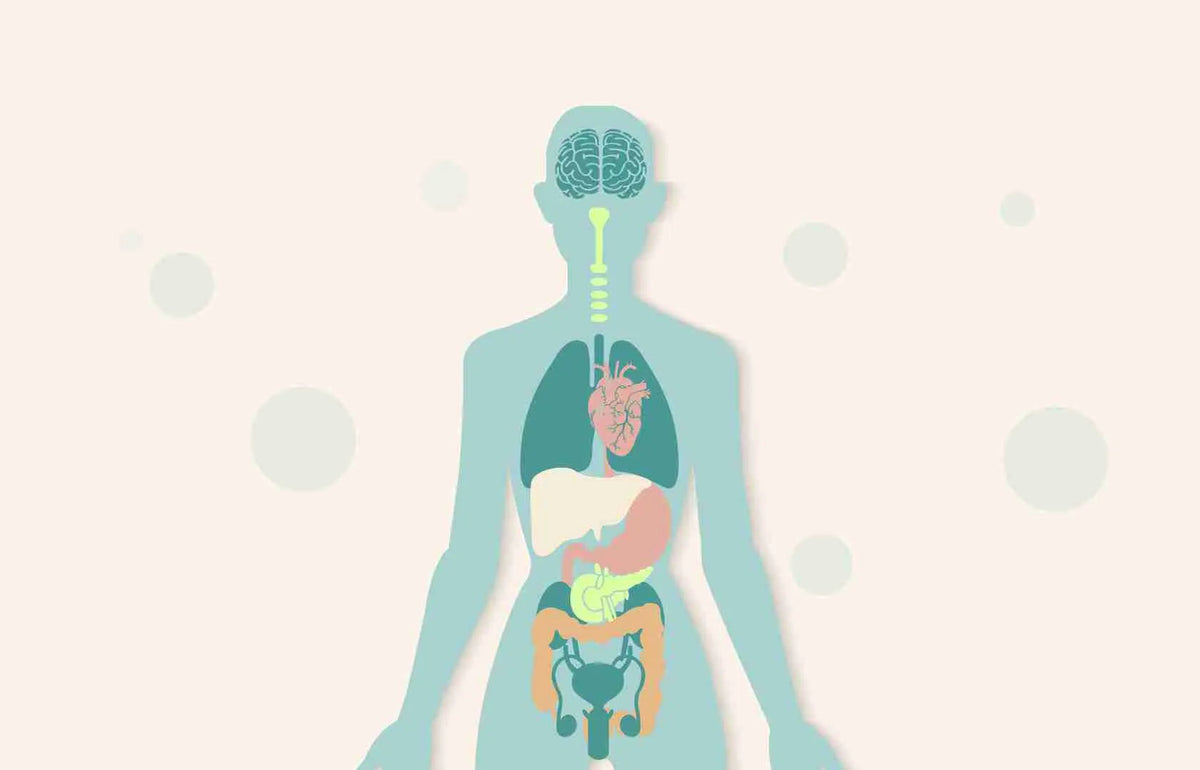
Have you ever wondered how your body handles stress, regulates sleep, or keeps pain under control? The secret lies in a powerful biological network working quietly behind the scenes: your endocannabinoid system (ECS). Discovered in the 1990s, the ECS is a crucial part of your body's internal communication system and is responsible for keeping everything in balance, or homeostasis.
This remarkable system influences many essential functions, including mood regulation, immune responses, pain management, and even metabolism. Let's explore how this fascinating system works to maintain balance in both body and mind, and how CBD can naturally support your overall health.
What is the Endocannabinoid System (ECS)?
The ECS is essentially your body's built-in system for keeping everything in balance. It is a complex network of chemical signals and cellular receptors spread throughout your body, especially in the brain and immune system. Think of it as your internal wellness system, producing molecules called endocannabinoids that resemble compounds found in the cannabis plant.
But don't confuse this system with recreational cannabis. The ECS has been evolving for millions of years to regulate critical functions, such as:
- Sleep patterns
- Stress
- Pain management
- Immune function
- Appetite and metabolism
- Emotional processing
Simply put, the ECS acts as your body's master regulator, keeping everything in balance, which is also known as homeostasis.
Key Components of the Endocannabinoid System

The ECS has three main components: endocannabinoids, cannabinoid receptors, and enzymes that break down the endocannabinoids.
1. Cannabinoid Receptors: CB1 and CB2
These receptors are the “locks” located all over your body, waiting for the right “key”—endocannabinoids or external cannabinoids (like CBD)—to activate them. There are two main types of cannabinoid receptors:
- CB1 receptors are found mainly in the brain and central nervous system. These receptors help regulate mood, memory, appetite, and pain.
Example: Ever noticed how THC (the psychoactive compound in marijuana) can affect your mood or appetite? That is because THC mimics the body’s natural endocannabinoids and activates the CB1 receptors.
- CB2 receptors are more concentrated in the immune system and the peripheral nervous system. They primarily regulate inflammation and immune responses.
Example: Researchers are studying CB2 receptors for their potential to reduce inflammation without the psychoactive effects of CB1 activation.
2. Endocannabinoids: The Body’s Natural Cannabinoids
Your body produces two main endocannabinoids to communicate with these receptors:
- Anandamide (known as the “bliss molecule”) helps regulate mood, appetite, and pain.
- 2-Arachidonoylglycerol (2-AG): Plays a role in immune function and pain management.
Unlike neurotransmitters, which are always present, your body produces endocannabinoids only when needed. When their job is done, enzymes quickly break them down, keeping the ECS responsive and able to adapt to your needs.
How the ECS Affects Various Body Functions
Memory and Emotional Well-being
The ECS helps your brain balance memory formation by deciding what is important to remember and what you can forget. This process is crucial for emotional health. For instance, people with conditions like PTSD often struggle to “let go” of traumatic memories. Scientists are investigating ways to modulate the ECS to help in these cases.
Stress and Anxiety: Your Natural Chill Pill
During times of stress or intense physical activity, the ECS kicks into gear. Endocannabinoids help calm the nervous system, reduce anxiety, and promote relaxation. This is why regular exercise can improve mood, thanks to the release of endocannabinoids by the ECS—one of the reasons for the “runner’s high.”
Pain Management and Inflammation
The ECS plays a crucial role in managing pain and reducing inflammation. It acts as a natural painkiller, regulating pain signals in your body. This is why researchers are interested in targeting the ECS for new treatments for chronic pain and inflammation-related conditions like arthritis.
Appetite and Metabolism
You have likely heard of the “munchies,” the surge of hunger some experience after using cannabis. That is because the ECS helps regulate hunger and metabolism. But it is not just about feeling hungry—the ECS is also involved in how your body processes and stores energy from food, making it an important player in weight management and a healthy metabolism.
CBD and the Endocannabinoid System: A Natural Supporter
Now that you understand how the ECS works, let's talk about CBD (cannabidiol). Unlike THC, CBD does not cause a “high,” but it interacts with your ECS in powerful ways that can benefit your health.
How CBD Supports the ECS
CBD does not bind directly to CB1 or CB2 receptors like THC does. Instead, it helps your body maintain higher levels of its own endocannabinoids by preventing their breakdown. Through this indirect support, your ECS can function more effectively, especially when it comes to managing stress, pain, and inflammation.
Conditions CBD May Help With
- Anxiety and stress: By helping regulate stress hormones and promoting relaxation, CBD can alleviate feelings of anxiety. Many users report feeling calmer and more balanced after using CBD.
- Chronic pain and inflammation: CBD’s ability to modulate pain signals makes it a promising option for those dealing with chronic pain conditions such as arthritis or fibromyalgia.
- Sleep disorders: Struggle with sleepless nights? CBD may help regulate sleep-wake cycles, promoting deeper and more restful sleep without the grogginess of some sleep medications.
- Skin health: CBD is also used in skincare products to reduce inflammation and soothe conditions like acne or eczema. The ECS plays a role in maintaining healthy skin by regulating oil production and immune responses.
How to Use CBD to Support Your ECS

When incorporating CBD into your health routine, it is essential to find the right product and dosage that work for you.
Types of CBD Products
- CBD Oils and Tinctures: These are versatile and allow for precise dosing. They can be taken sublingually (under the tongue) for faster absorption.
- CBD Capsules: Ideal for those who want a pre-measured, easy-to-use option. Capsules may take longer to take effect, but they provide long-lasting benefits.
- Topical CBD: If you use CBD for localized pain or skin issues, creams or balms applied directly to the skin can target the problem area without affecting your entire system.
- CBD Gummies: A fun and easy way to consume CBD, especially for those who do not like the taste of oil.
Starting with the Right Dosage
Because everyone’s ECS is different, there is no one-size-fits-all approach to CBD. Start with a low dose and increase gradually until you find what works for you. It is always a good idea to consult with a healthcare professional, especially if you are taking other medications.
Lifestyle Choices That Support Your ECS
Besides CBD, there are lifestyle changes you can make to naturally support your ECS:
- Physical exercise: Regular exercise boosts endocannabinoid levels, helping to reduce stress and improve mood.
- Eat Omega-3 fatty acids: Foods like fatty fish, flaxseeds, and walnuts contain omega-3s, which are crucial for ECS function.
- Sleep: Maintaining a consistent sleep schedule helps the ECS regulate sleep-wake cycles.
- Reduce stress: Practices like meditation, yoga, and deep breathing can reduce stress and help keep your ECS in balance.
- Stay connected: Positive social interactions and strong community bonds have been shown to boost endocannabinoid levels, supporting overall well-being.
CBD: A Natural Partner for Health and Balance
The discovery of the ECS has opened up exciting possibilities for improving health with natural means. By understanding your ECS and supporting it with lifestyle changes and CBD, you can tap into your body's natural ability to stay in balance. Whether you want to reduce anxiety, manage pain, improve your sleep, or make your skin healthier, CBD can be a valuable tool in keeping your ECS functioning optimally.
Final Thoughts: Listen to Your Body

Your ECS is always working in the background to keep your body in balance, regulating essential functions like mood, sleep, and immune responses. By adopting healthy habits like regular exercise, a balanced diet, and stress-reducing practices, along with considering the use of CBD, you can work in harmony with this system to promote your overall well-being.
It is important to remember that everyone's ECS is unique, so what works for one person may be different for another. Pay close attention to how your body reacts and adjust your approach as needed to support your health and naturally come into balance. Ready to discover the benefits of CBD? Browse OCHO’s range of high-quality CBD products designed to support your wellness journey.











































